Prohibition of the Secret Garden
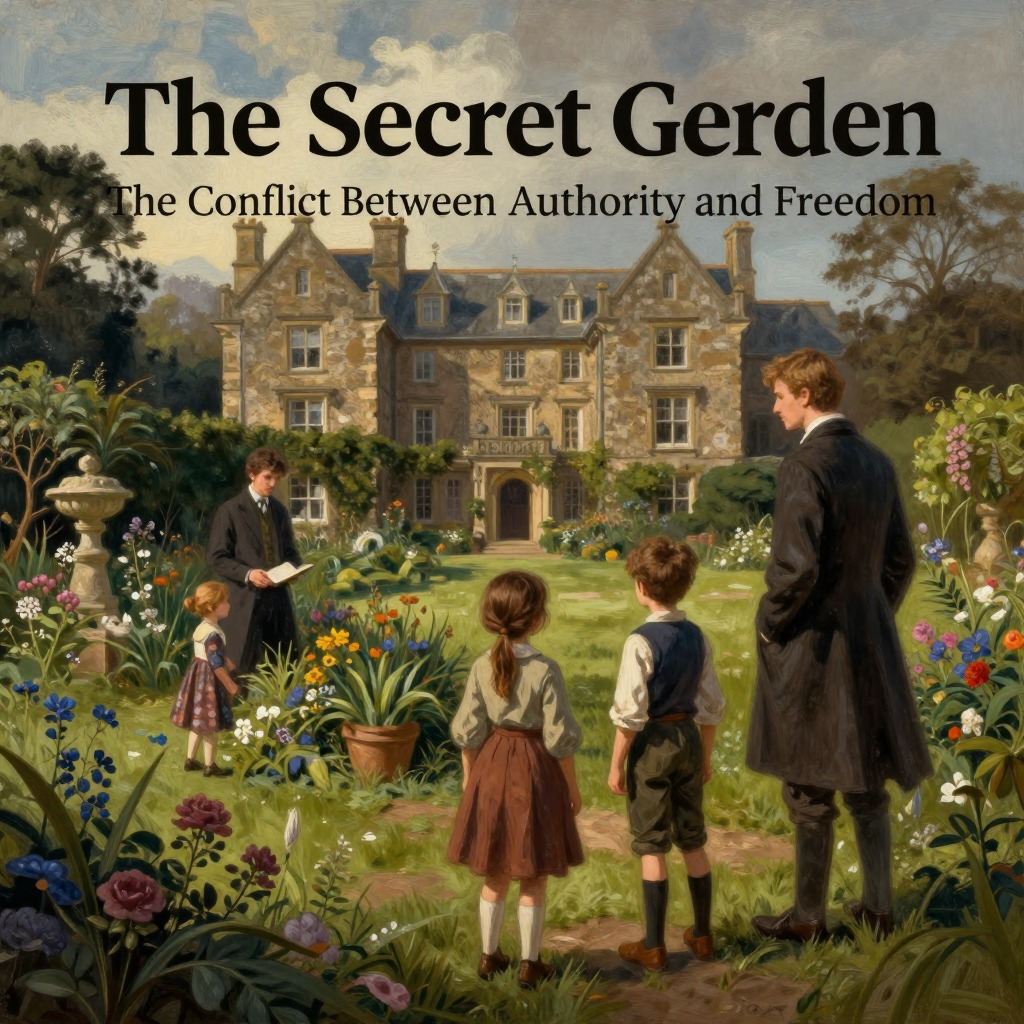
The Prohibition of the Secret Garden is the foundational rule of Misselthwaite Manor, a decree of absolute exclusion imposed by Archibald Craven in the wake of his wife Lilias's death. The order was stark and total: no one was ever to enter the garden again. The door was locked, and the key was buried in the earth, a symbolic act of interment that matched the grief that had taken hold of the master of the house. For ten years, the garden remained sealed, a forbidden space that existed only in memory and rumor, its walls covered with ivy that concealed the very existence of a door.
Origins and Cause
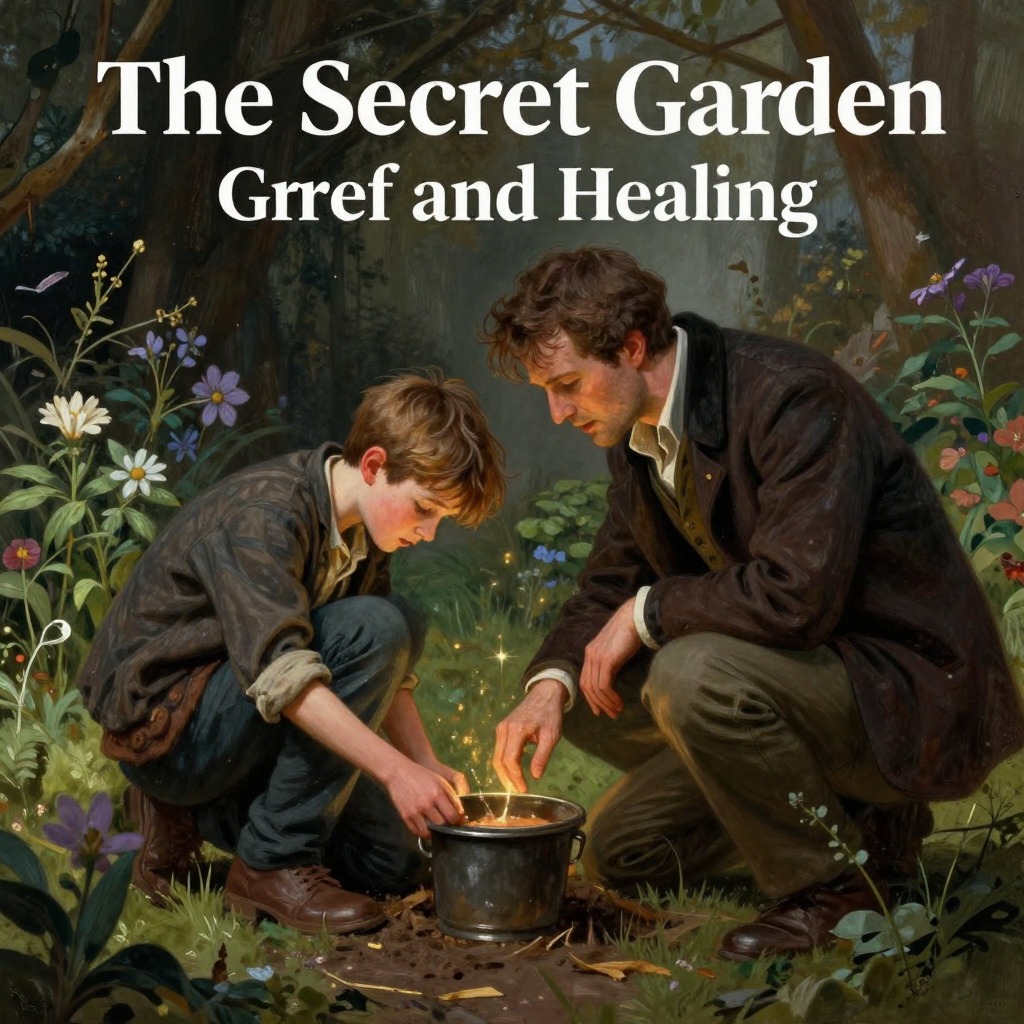
The prohibition was born from a single, catastrophic event. Lilias Craven had loved the garden, which she had made with her own hands after her marriage. She and Archibald would spend hours there, reading and talking, and she had a favorite seat on the branch of an old tree. One day, the branch broke, and she fell to the ground, sustaining injuries so severe that she died the next day. The doctors thought Archibald would go out of his mind and die as well. In his overwhelming grief, he ordered the garden shut forever. He locked the door, dug a hole, and buried the key, ensuring that no one could ever enter the place that had taken his wife from him. The prohibition was not merely a rule of the house; it was a physical manifestation of his trauma, a space sealed off to contain a pain too great to bear.
Enforcement and Secrecy
The prohibition was enforced with a strict code of silence. The servants were forbidden to talk about the garden, and the gardeners were given orders not to answer questions about it. When Mary Lennox first arrived at Misselthwaite Manor, Martha Sowerby, the young housemaid, told her about the locked garden but immediately added that Mrs. Medlock said it was not to be talked about. The prohibition extended beyond physical entry to the very act of speaking of the place. Ben Weatherstaff, the old gardener, was the only person who secretly defied the order, climbing over the wall once a year to prune the roses, but even he did so in absolute secrecy, knowing that his actions were a violation of Mr. Craven's command.
The Prohibition as a Narrative Engine
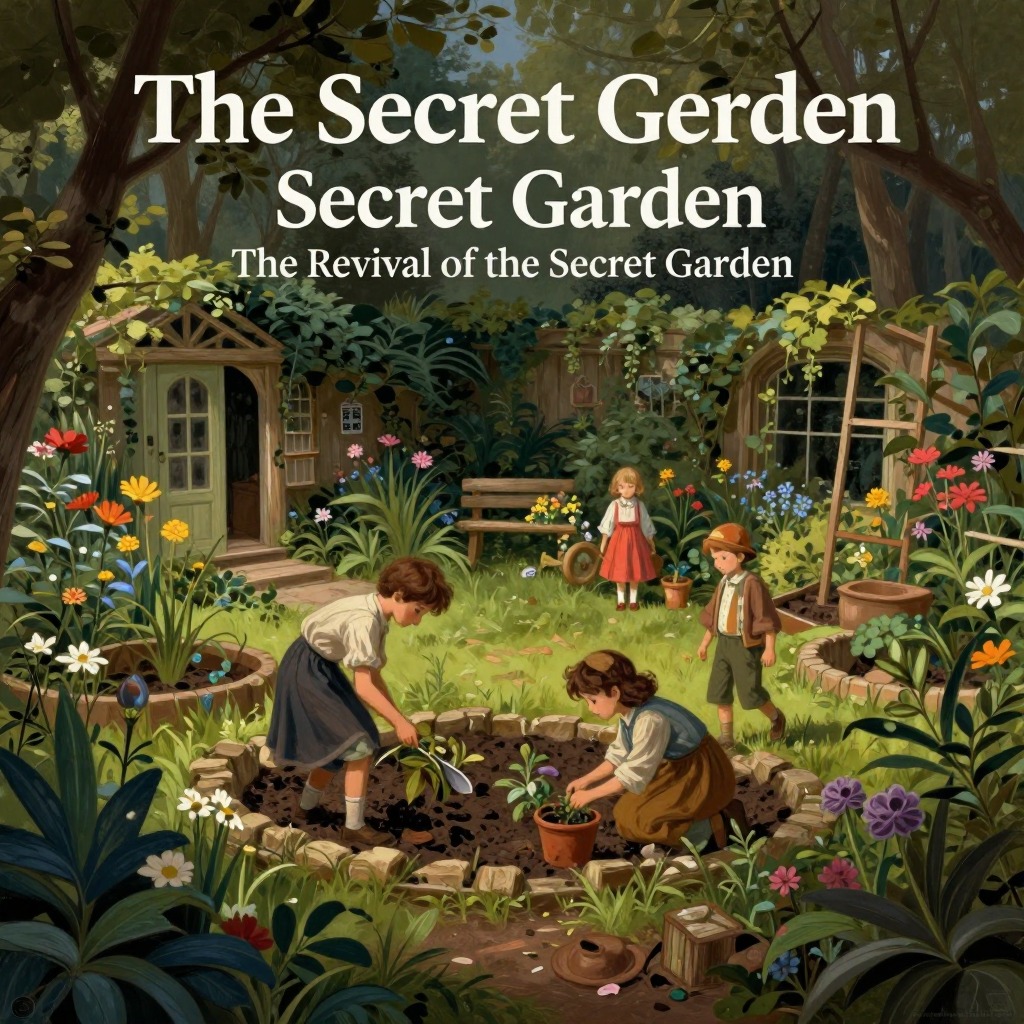
The locked garden and its buried key became the central mystery that drew Mary Lennox out of her isolation. The very fact that the garden was forbidden made it irresistible. She thought about it constantly, wondering what it looked like and whether any flowers still lived inside. The prohibition created a secret world that only she could discover, and the act of finding the key and entering the garden became her first independent, purposeful action. The rule of exclusion, intended to preserve a space of grief, instead became the catalyst for renewal. The garden, locked away from the world, was waiting to be brought back to life by the children who dared to break the prohibition.
The End of the Prohibition
The prohibition held for ten years, until the combined efforts of Mary, Dickon Sowerby, and Colin Craven restored the garden to life. When Colin finally stood on his own feet and walked, he declared the garden his own and gave Ben Weatherstaff permission to enter through the door. The rule of exclusion was replaced by a rule of secrecy, but the garden was no longer forbidden. The final dissolution of the prohibition came when Archibald Craven, drawn back to Misselthwaite by a dream and a letter from Susan Sowerby, walked into the garden and found his son, healthy and strong, waiting for him. The locked door was opened, the buried key was no longer needed, and the garden that had been a monument to death became a place of life and reunion.